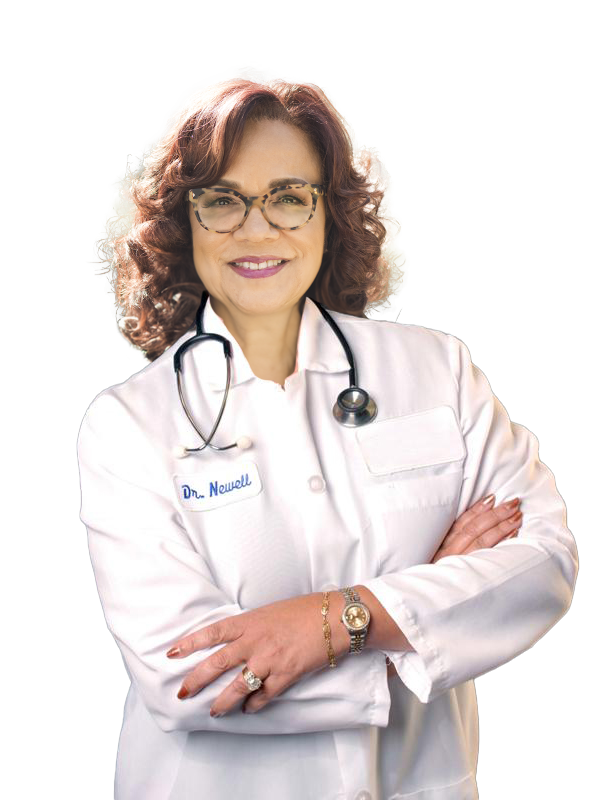

Dear friends,
When I was a little girl growing up in North Carolina, I remember the whispers after Sunday dinner. The grown-ups leaned in close and spoke softly about who had “the sugar” or whose “heart finally gave out.” Illness lived in the shadows. Speaking about it felt almost forbidden. It sounded like a secret language only the adults understood. Years later, I realized those quiet conversations held pieces of family medical stories that no one thought to preserve.
As a physician, I now see how much insight lived inside those whispers. They carried clues about patterns of disease that could have guided prevention and screening. Yet because those stories stayed unspoken or undocumented, they faded with each generation.
Talking about family health history honors the people who came before us. When we speak openly, we turn their experiences into guidance that protects the next generation.
We have an opportunity to change that. Talking about our family’s health history is one of the most effective steps we can take to advocate for ourselves. A 2022 study published in BMC Health Services Research showed that when adults used a simple family health history tool that guided them through listing illnesses in their parents, grandparents, siblings, and children, 41.6 percent received a recommendation for earlier screening or genetic counseling. In other words, writing down what conditions run in the family changed their doctors’ next steps.
Many of our elders stayed silent because silence felt safer. They lived through limited access to care. They carried fear, stigma, and memories of harsh treatments. Cancer frightened people so deeply that many avoided the word. Mental illness lived behind closed doors. These patterns shaped how families navigated illness. What began as self-protection often became lost information.
We can break that pattern through simple and honest conversations. Ask relatives what they remember about the health challenges in your family. Their memories may not sound medical, but they often point toward real conditions. Chronic illnesses like diabetes, high blood pressure, breast cancer, prostate cancer, and heart disease tend to run in families. Some skip a generation. Early awareness helps you make informed decisions about your health.
Even partial information can guide screening recommendations. For example, if a close relative had colorectal cancer, your doctor may advise beginning screening earlier than standard guidelines. These conversations help your doctor build a clearer picture of your personal risk.
If details are missing, start with what you know and expand over time. Church programs, obituaries, and stories from longtime friends can help fill the gaps. A family health tree gives you a simple way to organize your notes and turn this into an ongoing habit. Here are practical steps to get started:
-
Begin with your closest relatives. Start with parents, siblings, and adult children, then add grandparents, aunts, uncles, and cousins when you learn more.
-
Focus on key moments instead of full stories. Ask about the age when a diagnosis appeared or when symptoms first showed up. This gives you useful information without overwhelming anyone.
-
Track broad patterns. Look for repeats across generations such as diabetes, hypertension, or cancer. Patterns matter more than perfect detail.
-
Keep one dedicated record. Use a single notebook or digital file so updates stay simple and consistent.
-
Review and refresh once a year. Add new details and remove outdated information.
-
Share the essentials with your doctor. Ask how the patterns you see should shape your screenings or preventive care.
Talking about health honors the people who came before us. Our elders carried wisdom even when they stayed silent out of fear or tradition. When we speak openly, we turn their experiences into guidance that protects the next generation. We transform old patterns into new possibilities.
Family history does not guarantee a specific diagnosis. It gives your doctor a valuable lens. When clinicians understand patterns across generations, they can interpret symptoms differently, order tests sooner, and adjust your care plan in ways that protect you. A patient who knows that several relatives had early hypertension can work with their doctor to monitor blood pressure closely and make lifestyle changes before problems develop. That is the power of informed storytelling.
You can start this work at home through simple practice. Choose one relative and ask one question about their health history. Write down whatever they share. Add one more question the next time you talk. Over time, these small conversations build a clearer picture of your family’s health landscape. This keeps the process manageable and turns it into a meaningful connection instead of a task.
As spring approaches, let this be your health renewal. Nature prepares for new growth and so can you. Clearing space for honest conversations plants seeds for stronger habits. It also creates a tradition for future generations. Instead of quiet whispers after dinner, families can pass down knowledge that protects and empowers.
One day, someone in your family may retell the stories you uncovered. They may lean in at their own dinner table and speak with clarity instead of code. They will have you to thank for that. You will be the one who turned silence into knowledge.
With your health in mind,